Right
“AI is real and here to stay”
ChatGPT passed one million users in its first five days. By February 2026 it had 900 million weekly users, as reported by TechCrunch.
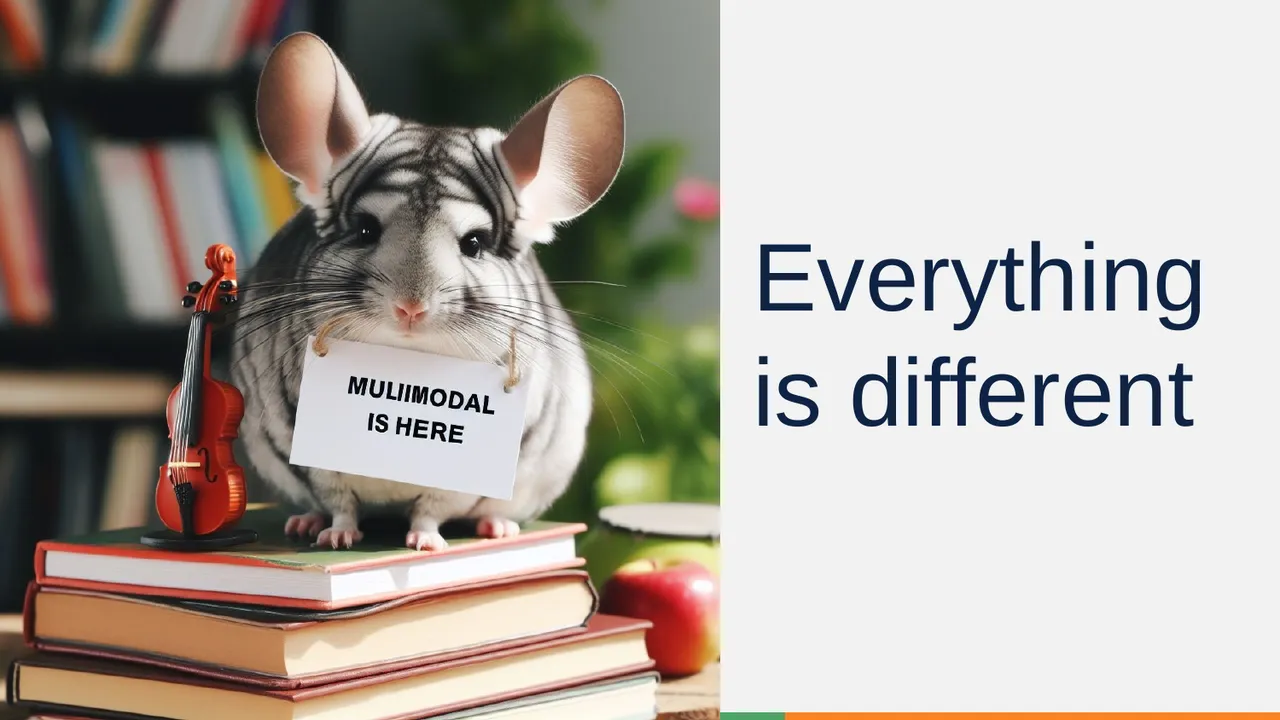
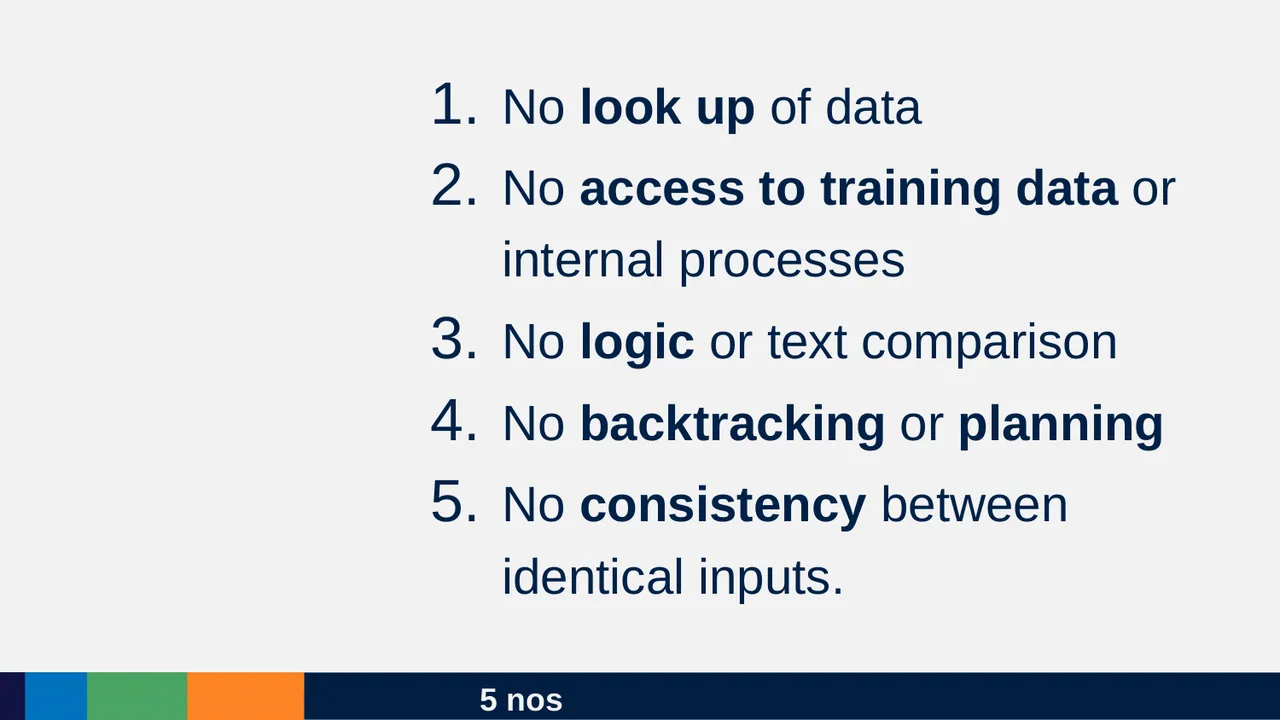
On 30 November 2023, ChatGPT's first birthday, Dominik Lukeš gave a 90-minute webinar for Oxford staff and students at the Centre for Teaching and Learning, built on his report Beyond ChatGPT. He argued that, unlike most technology hype, generative AI was real and here to stay; that it was no longer just ChatGPT but a field with four big chatbots (ChatGPT, Claude, Bing Chat and Bard); and that using it well needs knowledge as well as technology. He was blunt about limits: models predict plausible text rather than look facts up, so hallucination was a hard, unsolved problem, and what they could do well was hard to guess in advance. He listed "five no's": no look-up, no access to their own workings, no logic, no planning and no consistency. The biggest advance of the year, he said, was multimodality. He also admitted he had once underestimated GPT: "I was wrong."
No recording of this session has been found.
From slide 62, which he showed six times during the talk.
Checked in November 2026 against the timeline.
Right
“AI is real and here to stay”
ChatGPT passed one million users in its first five days. By February 2026 it had 900 million weekly users, as reported by TechCrunch.
Right
“Not just ChatGPT anymore”
Three of the four lines are still the big three: ChatGPT, Claude and Gemini (Bard was replaced by Gemini). Bing Chat became Copilot. Open models from China, such as DeepSeek and Qwen, joined the field.
Right
“Hallucination is a hard problem”
He repeated it in 2024 ("Hallucination is still with us"). By 2026 it is reduced and worked around, for example by models that search before they answer, but not solved.
Right
“No look up of data / No access to training data or internal processes / No logic or text comparison / No backtracking or planning / No consistency between identical inputs”
Still true, and still a common mistake. A model cannot look up what it was trained on, quote it or say which books it learned from, much as we cannot list everything we ever learned. What has changed is how much it matters: chatbots now search, reasoning models plan and check, and agents use tools, so gaps such as the knowledge cut-off are worked around. Reasoning models have made "no backtracking or planning" largely irrelevant: the model still cannot delete what it has written, but it can now write more, notice a mistake and change course. In 2025 he said much of what "AI" does is not done by the model at all.
Right
“Biggest advance is multimodality”
One model for voice, vision and text (GPT-4o, May 2024), image editing that works (Nano Banana, August 2025), video with sound (Veo 3, May 2025) and full-duplex voice (GPT-Live-1, July 2026).
Right
“AI features in every app”
Microsoft Copilot Cowork became generally available in June 2026 and ChatGPT arrived inside Word in September 2026.
Right
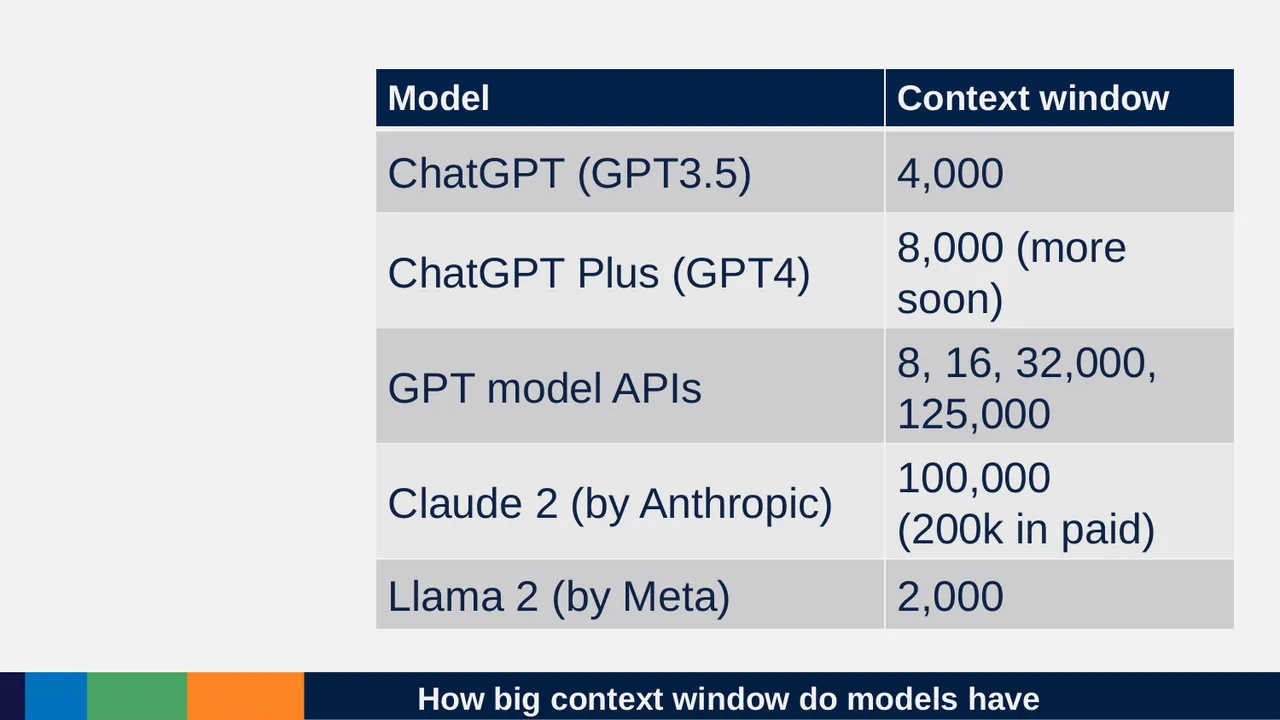
“ChatGPT Plus (GPT-4): 8,000 (more soon)”
"More soon" came within days: 128,000 tokens with GPT-4 Turbo (November 2023), then one million with Gemini 1.5 (February 2024).
Right
“we have seen none that are reliable enough, and that's likely to remain the case for now”
Jisc's June 2025 update keeps the same position: detection tools are unreliable, easy to get round and produce false positives.
7 of 220 slides. Select a slide to see it full size.
Lukeš, Dominik (2023). After ChatGPT: What we know about AI 1 year later. AI Round-ups. https://airoundups.semanticmachines.fyi/2023/